A song gets streamed. A film airs again. A brand gets licensed. Somebody pays, and when you own the royalty, they pay you. Music, film, and trademark income, earning on its own schedule, no matter what the S&P 500 does.
People don’t stop listening to music because the Fed raised rates. Royalty income follows how often a song is played or licensed. The mood of the markets doesn’t drive that. Royalty investments can be a real counterweight to stocks and bonds.
Royalties can deliver double-digit yields. Most bonds and dividend stocks can’t say the same.
Royalties let you earn money while you sleep. They are a “cut off the top,” paid regularly, that puts you first in line for the cash flow.
As seen in Forbes
Zack O’Malley Greenburg of Forbes explains how buyers are using Royalty Exchange, how the deals are actually sold, and why smart allocators are adding royalty investments to their portfolios.
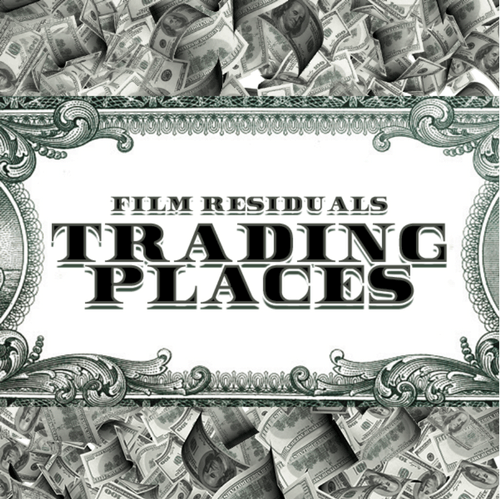
Film Residuals1983 comedy classic
Music Publishing“Black Water” and other songs
TrademarkEducational brand
These are just 3 of 2,500+ completed deals. New listings are added every week.
Browse Open ListingsRoyalty Exchange vets and verifies all royalty opportunities before listing them on the marketplace. This minimizes ownership disputes, and our standardized contracts reduce transaction risk.
Every listing comes with the performance data you need to build your own valuation. New to the metrics? Our guides walk you through it.
We use the same structure, deal after deal. You compare assets, not the fine print.
Acquire royalties directly from rights holders or other buyers. Make offers on the listings that fit your portfolio.
After you buy, we collect the royalties and send them your way. If you want out later, resell on our secondary market.
Royalty Exchange is where royalty deals happen, with every number on the table. Creators list, and buyers bid.
Every listing has a detailed income history and is cleared by our due diligence team before you see it.
Browse Open ListingsFrequently Asked Questions
Everything buyers ask before they buy royalties for their portfolio, from what it costs to what happens if earnings fall short.
There is no account minimum. Creating an account and completing verification is free, and you can browse every listing before you commit to anything.
What you need is the price of the asset you want. Each listing sets its own starting price, so the entry point varies from one to the next. On the marketplace, every asset also carries a default minimum offer set at 50% of its break-even price.
Each listing states its Buyer Fees up front: a one-time cost covering catalog administration and anything else specific to that catalog. You see the figure before you bid.
After the sale there is no admin fee and no commission taken out of your royalties. What the asset earns is what gets distributed to you.
All Access members have the buyer fee waived.
The multiple is the price divided by the last 12 months of earnings. A catalog that earned $10,000 last year and sells for $30,000 is a 3x multiple.
Yield is the same relationship read the other way: last year’s earnings as a percentage of what you pay. A 6.6x multiple is roughly a 15% yield. The lower the multiple, the higher the yield — and because the multiple is calculated against the price, it climbs as bidding does.
Listings also show a Theoretical IRR, which folds several points of analysis into a single figure for comparison. It is not a prediction or an estimate.
Yes. You can hold an asset for the full length of its term, or list it on the marketplace’s secondary market and sell to another buyer whenever you choose. There is no lock-up period.
What you get for it depends on what a buyer will pay at the time, which turns on the same things that priced it originally: recent earnings, how long those royalties have been earning, and the term remaining.
You receive whatever the asset earns, which may be more or less than it earned before you bought it. Royalty income moves with how often the work is used, past earnings are not a guarantee of future earnings, and it is possible to receive less in total than you paid.
What Royalty Exchange provides is the evidence to judge that before you bid: verified ownership, the last 12 months of earnings and usually longer, a spreadsheet of the raw royalty data for your own analysis, and the dollar age of the catalog so you can see how long it has been earning at that level.
Royalty Exchange does not provide investment advice. Read how to run your own diligence and the mistakes buyers make most often.
Browse established catalogs with decades of income history. Buy when you’re ready.
Start Building Your Portfolio